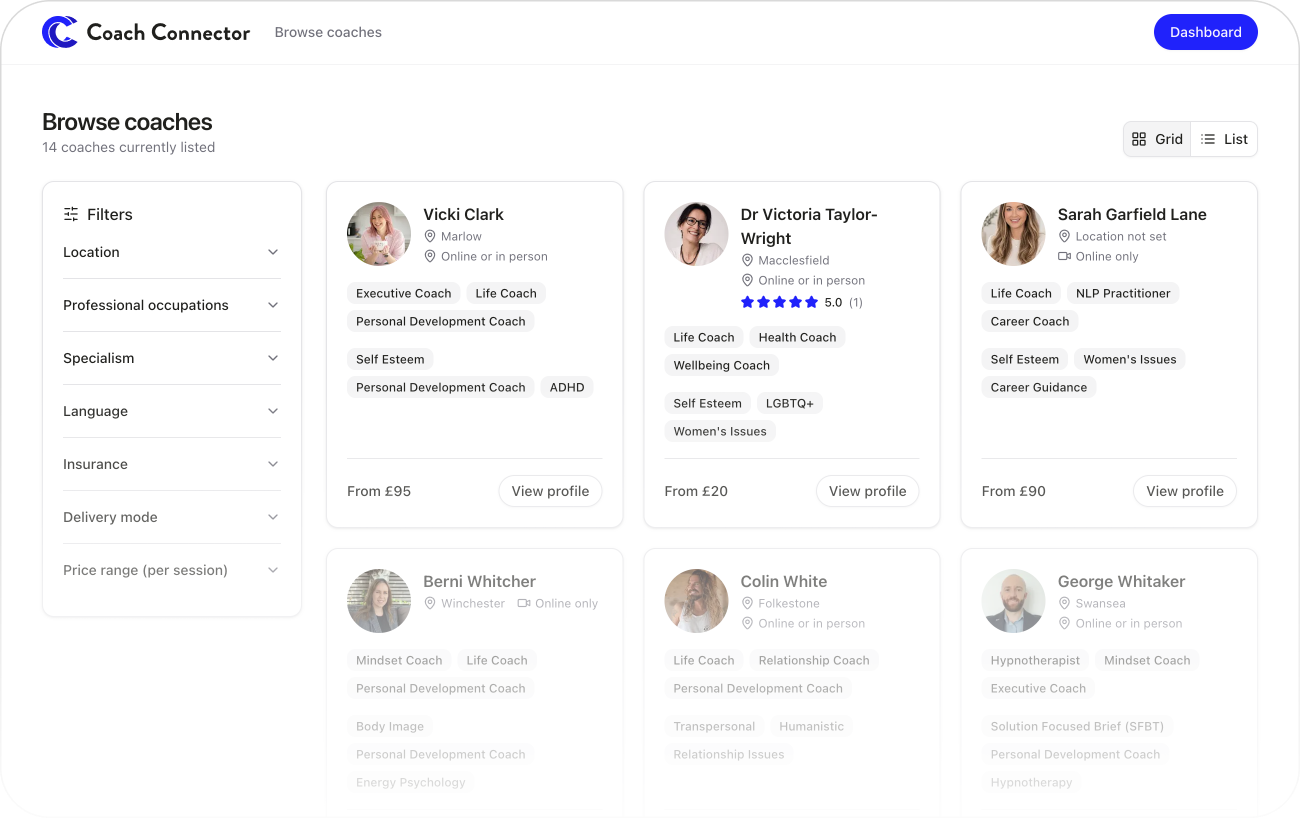
In today’s fast-paced and increasingly complex world, individuals and organizations are turning to life coaching as a resource for personal and professional growth.
Life coaching can have a transformative impact on one’s career, relationships, and overall well-being. However, the effectiveness of a life coaching engagement largely depends on the credentials and expertise of the coach.
As an experienced Coach Professional, I strongly advise that before hiring a life coach, it’s crucial to thoroughly check their credentials to ensure they are qualified to provide the support and guidance needed.
Importance of Credentials in Life Coaching
Life coaching is an unregulated industry. This means that anyone, regardless of their background or training, can call themselves a life coach. This lack of regulation can lead to variability in the quality and effectiveness of coaching provided.
To mitigate this risk, prospective clients should prioritize coaches with credible credentials. These credentials serve as a testament to a coach’s commitment to professional development and adherence to industry standards.
Professional Qualifications
Professional qualifications from recognized coaching bodies such as the Association For Coaching (AC), the International Coach Federation (ICF), or the European Mentoring & Coaching Council (EMCC) are crucial indicators of a coach’s credibility. These organizations provide certifications that require coaches to undergo rigorous training, demonstrate their coaching competencies, and adhere to a strict code of ethics.
- Training Requirements: To become certified, a coach must complete training programs that are specifically designed to develop core coaching competencies. For instance, AC-accredited programs require a combination of theoretical learning and practical coaching experience.
- Assessment of Competencies: Certification involves an assessment process where coaches must demonstrate their ability to apply coaching techniques effectively. This often includes the submission of recorded coaching sessions for evaluation.
- Ethical Standards: Members of these professional bodies are required to adhere to a global code of ethics, which ensures that they conduct their practice with integrity, confidentiality, and professionalism.
Academic Qualifications
While professional bodies focus primarily on coaching skills and ethical practices, academic qualifications from institutions like the ILM, University etc, offer a more traditional educational approach. These qualifications often include comprehensive curricula covering leadership, management, and coaching theories.
- Structured Learning: Academic programs typically provide a structured curriculum that covers a broader range of topics beyond core coaching techniques, such as leadership development, change management, and organizational behavior.
- Accreditation and Recognition: Academic qualifications are recognized globally and often accredited by educational authorities. This makes them particularly valuable for those looking to enhance their credentials in a formal educational framework.
- Theoretical vs. Practical Focus: While professional qualifications are practice-oriented, academic courses tend to focus more on theoretical understanding. Both are valuable, but they serve different purposes in a coach’s professional development.
Evaluating the Right Fit
Choosing the right life coach involves more than verifying credentials. It’s also important to consider the coach’s area of specialization, coaching style, and personal compatibility with the client.
However, credentials from respected professional bodies or accredited academic institutions provide a foundational assurance of a coach’s professionalism and commitment to ethical practice.
As life coaching becomes more integrated into personal development and corporate culture, the importance of hiring credentialed coaches cannot be overstated.
Whether you’re an individual seeking guidance or an HR professional tasked with facilitating employee development, ensuring that your chosen coach has the appropriate credentials is a critical step.
By prioritizing qualified and accredited professionals, you can maximize the potential benefits of life coaching, fostering meaningful growth and development.
Additional Information
ILM Level 5 Diploma in Effective Coaching and Mentoring
AC – Diploma in Business Performance & Life Coaching
AC / ANLP – NLP Practitioner & Coaching Certificate
UKCPD 2023 – Think BIG: The Journal of Personal Development – Hiring a Life Coach is a Serious Business – Do so with Care.